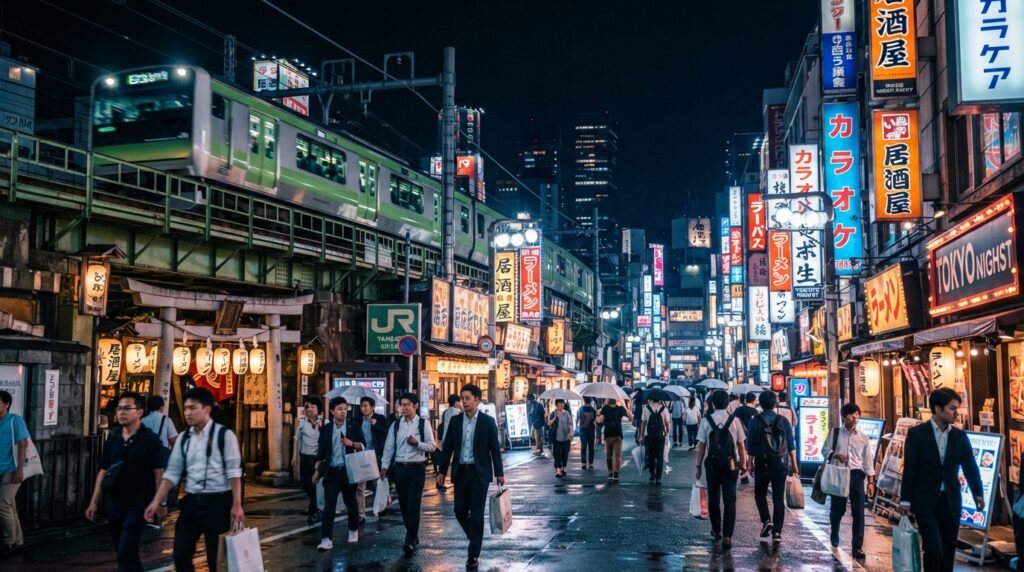
Japan is one of the most rewarding — and most surprising — countries to travel through. From vending machines that sell almost anything to a train system so punctual you could set your watch by it, Japan runs on its own set of rules. Knowing them in advance is the difference between a trip full of friction and one that feels effortless.
This is our first post on Japan Travel Hacks, and it’s the one we wish every visitor could read before landing at Narita or Kansai. Bookmark it — you’ll come back to it.
Money & Payments
- Carry cash, even in 2026. Japan has gone increasingly cashless, but many small restaurants, temples, and rural shops still only take yen bills and coins.
- Get a Suica or Pasmo IC card immediately. These tap-to-pay cards work on nearly every train, bus, and subway in the country, and also at convenience stores and vending machines. Add them to Apple Pay or Google Wallet before you land to skip the ticket machine line entirely.
- 7-Eleven ATMs are your best friend. They reliably accept foreign cards and are open 24/7, unlike many Japanese bank ATMs.
- Notify your bank before you go. Card declines are common for travelers who skip this step.
Getting Around
- The JR Pass isn’t always worth it anymore. Since the 2023 price increase, it only pays off if you’re taking multiple long-distance shinkansen rides. Calculate individual ticket costs first.
- Use Google Maps or Japan Transit Planner for train times. Both show which platform and even which train car to board for the fastest transfer.
- Stand on the correct side of the escalator. It’s the left in Tokyo, the right in Osaka. Locals notice.
- Coin lockers are everywhere. Train stations have lockers in various sizes for stashing luggage while you explore.
- Takkyubin (luggage forwarding) is a game changer. For a small fee, services like Yamato Transport will ship your suitcase from your hotel to your next hotel or the airport, so you can travel light for a day.
Connectivity
- Rent a pocket wifi or buy an eSIM before arrival. Free public wifi is limited outside big cities, and having constant maps access is essential.
- Download offline Google Translate’s Japanese pack. The camera translation feature is invaluable for menus and signs.
- Save your accommodation address in Japanese. Show it to taxi drivers or station staff instead of trying to pronounce it.
Food & Konbini Culture
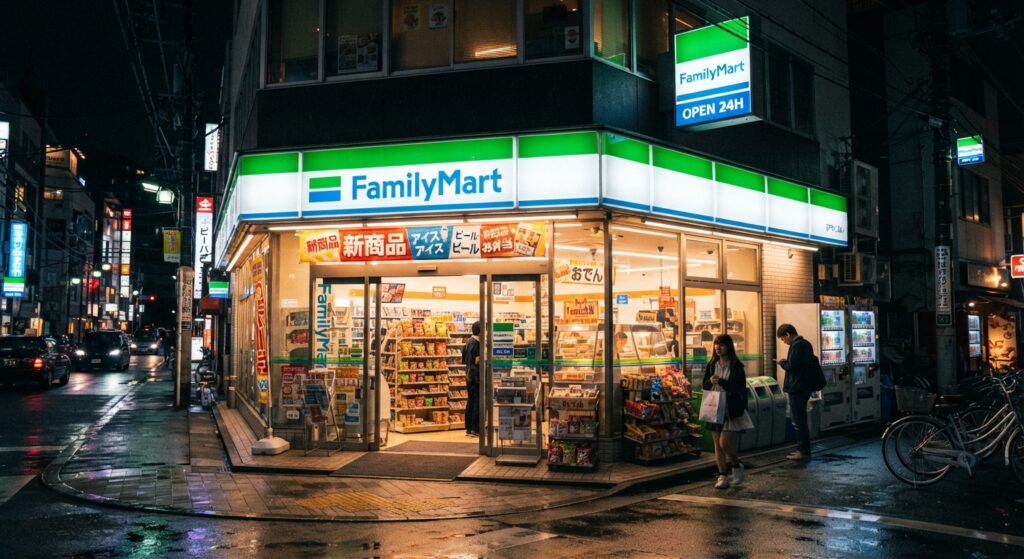
- Convenience stores (konbini) are legitimately great for meals. 7-Eleven, Lawson, and FamilyMart sell fresh, high-quality food 24/7 — not just snacks.
- Ticket-machine restaurants are easier than they look. Many ramen shops use a vending machine at the entrance — just match the photo, insert cash, and hand the ticket to staff.
- Tipping is not expected — and can even cause confusion. Excellent service is simply the standard.
- Look for lunch sets (teishoku) for the best value. Many restaurants offer discounted set menus only at lunchtime.
Etiquette Basics
- Don’t eat or drink while walking, especially on trains. It’s considered impolite in most settings.
- Keep phone calls off public transport. Silent mode (“manner mode”) is the norm.
- Trash cans are rare in public spaces. Carry a small bag for your own trash until you find a bin, often near vending machines or konbini.
- Remove your shoes when you see a raised floor or genkan. This applies to many restaurants, temples, and all traditional accommodations.
- Bowing is appreciated but not required from tourists. A polite nod goes a long way.
Booking & Planning
- Book popular restaurants and teamLab-style attractions weeks ahead. Reservations fill up fast, especially in Tokyo and Kyoto.
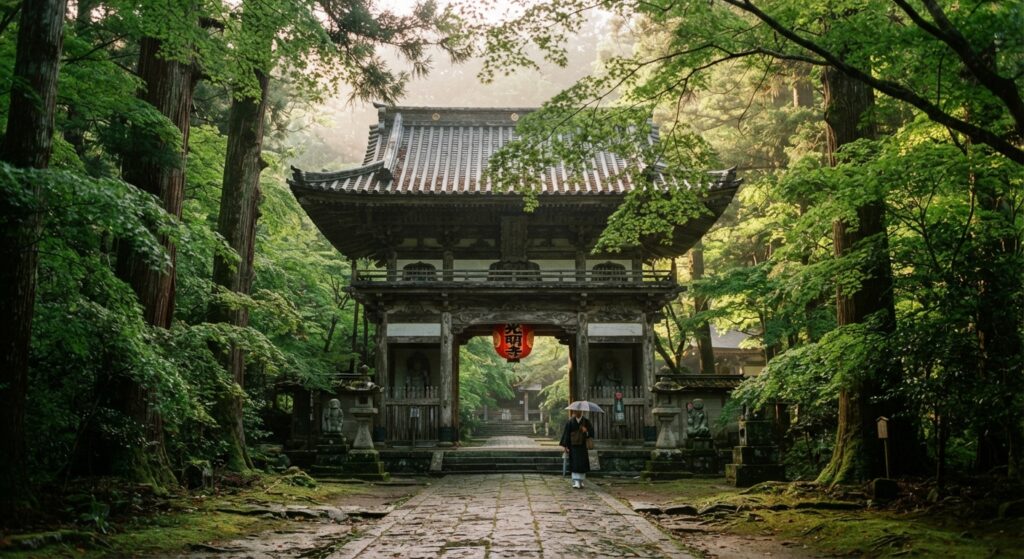
- Visit shrines and temples early morning. You’ll get the best light and avoid tour groups.
- Avoid Japan during Golden Week (late April–early May) if you dislike crowds. Domestic travel spikes hard during this holiday stretch.
- Convenience store ATMs work better for cash withdrawals than airport currency exchanges. You’ll typically get a better rate.
Little Things That Make a Big Difference
- Carry a hand towel. Public restrooms often don’t provide paper towels or dryers.
- Learn “sumimasen.” It covers “excuse me,” “sorry,” and “thank you for your trouble” — one word, endless utility.
- Vending machines sell more than drinks. Hot coffee, hot meals, umbrellas, and even flowers can appear depending on the neighborhood.
- Capsule hotels and business hotels are underrated. They’re clean, efficient, and often better value than you’d expect from photos.
- Slow down. Japan rewards travelers who leave room in their itinerary to wander — some of the best moments happen in the gaps between planned stops.
This is the first in an ongoing series of practical guides for traveling in Japan. Follow along as we go deeper into regional guides, seasonal tips, and hacks for specific cities.
コメント